Autumn Decor

Home Exterior Projects for a Stunning September!

Home Exterior Projects for a Stunning September!

September is upon us, and as the leaves start to change color, it’s the perfect time to embark on some home exterior projects that will enhance your curb appeal and get your home ready for the upcoming seasons. Whether you’re a seasoned DIY enthusiast or a novice looking to spruce up your home, here are some fantastic projects to consider during this transitional month:

    1. Refresh Your Front Door: A fresh coat of paint on your front door can instantly elevate your home’s appearance. Opt for a color that complements the fall palette, like warm reds, deep oranges, or rustic browns. Don’t forget to replace worn-out hardware for an added touch of elegance.
    2. Fall Garden Magic: Embrace the beauty of autumn by planting seasonal flowers and plants. Think vibrant mums, pansies, and ornamental kale. Create charming arrangements in your garden beds, window boxes, or planters for a burst of color.
    3. Outdoor Lighting Upgrade: As the days become shorter, well-placed outdoor lighting can enhance your home’s ambiance and safety. Consider installing pathway lights, solar lanterns, or string lights to illuminate your walkways and outdoor spaces.
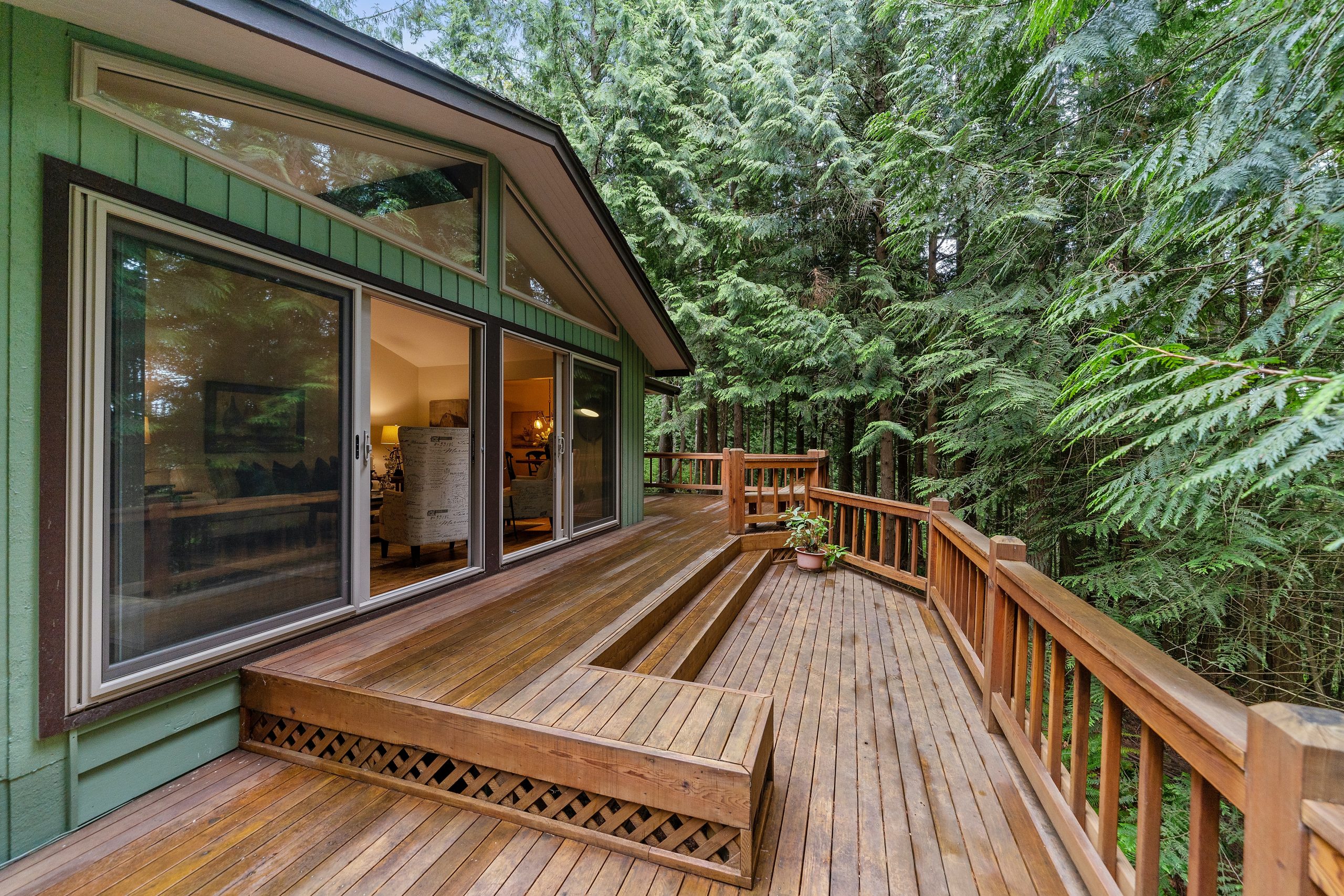
    4. Clean and Prep Your Deck: If you have a deck, September is the ideal time to give it some TLC. Clean the surface, repair any loose boards, and apply a fresh coat of sealer or stain to protect it from the elements during the cooler months.
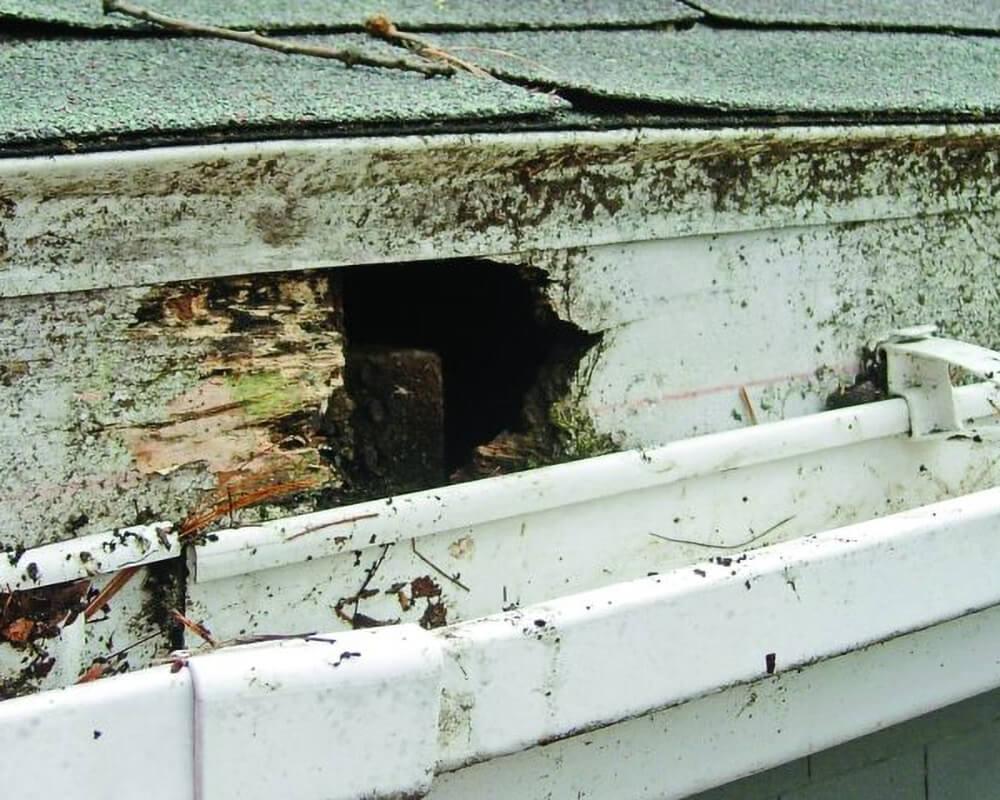
    5. Inspect and Repair Gutters: With autumn leaves on the horizon, it’s crucial to ensure your gutters are in good condition. Clean out any debris to prevent clogs, and make any necessary repairs to ensure proper water drainage.
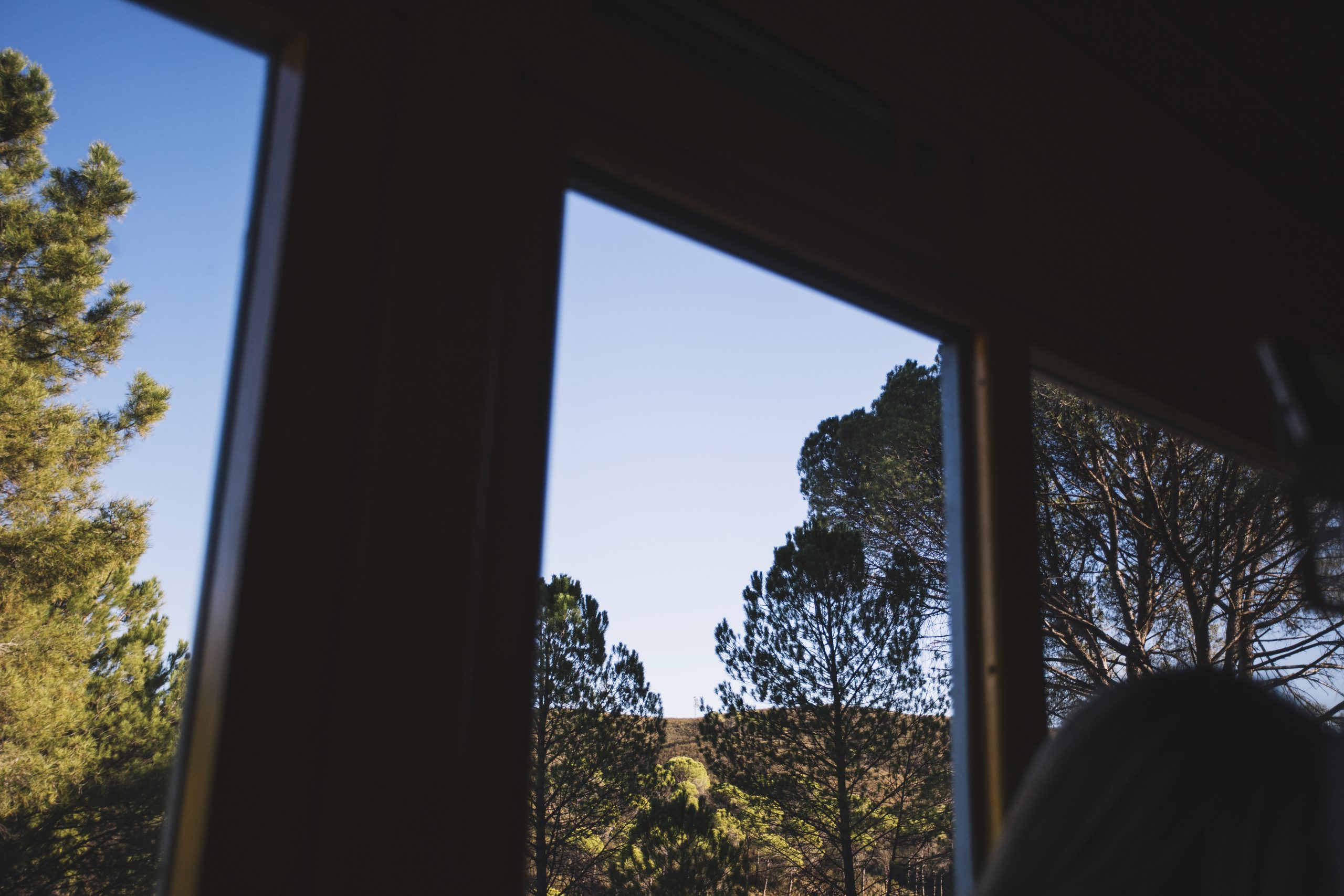
    6. Window Revival: Clean your windows inside and out to maximize the natural light during the shorter days. Consider installing weatherstripping or caulking to seal any gaps and improve energy efficiency.
    7. Create a Cozy Outdoor Space: Transition your outdoor space for fall by adding cozy elements. Incorporate cushions, blankets, and outdoor rugs to create a warm and inviting atmosphere for those crisp evenings.
    8. Fall-Inspired Decor: Embrace the season by adding fall-themed decor to your exterior. Hang a festive wreath on your front door, place pumpkins and gourds on your porch, and consider adding a seasonal doormat.
    9. Inspect and Maintain Your Roof: September is a great time to inspect your roof for any signs of damage or wear. Addressing any issues now can prevent potential leaks during the rainy season. Click Here to Get A Free Roof Inspection
    10. Fence and Gate Repairs: If you have a fence or gate, take the time to inspect and repair any damaged sections. A well-maintained fence not only adds to your home’s aesthetics but also provides security and privacy.

As you embrace the changing seasons, these September exterior projects can help you create a welcoming and visually appealing home. Whether you’re enhancing your garden, adding festive decor, or tackling repairs, these projects will have your home looking its best as autumn settles in.

Remember, safety first! If a project requires specialized skills, it’s always a good idea to consult professionals. Happy September and happy home improvement!
Read More
Patios

Exploring Patio Styles for Every Home Aesthetic

Exploring Patio Styles for Every Home Aesthetic

Your home’s exterior is a canvas waiting to be transformed into a space that mirrors your style and complements your lifestyle. Enter patios – these versatile outdoor extensions provide a cozy sanctuary for relaxation, entertainment, and bonding with nature. But with a multitude of patio styles available, how do you choose the one that aligns with your home’s architecture and your personal taste? Let’s embark on a journey through various patio styles to discover the perfect match for your abode.

  1. Modern Minimalism:
    For contemporary homes with clean lines and a minimalist aesthetic, a modern patio is the way to go. Embrace sleek materials like concrete or pavers in neutral tones. Add streamlined furniture with geometric designs and accentuate with minimalistic planters. Keep the palette simple yet impactful.
  2. Rustic Charm:
    If your home exudes rustic charm with exposed wood and a cozy atmosphere, a rustic-style patio is your best bet. Incorporate natural elements like stone or brick pavers. Opt for wooden furniture with distressed finishes and adorn with lanterns, hanging plants, and vintage decor.
  3. Mediterranean Oasis:
    Homes inspired by Mediterranean architecture call for a patio that reflects the warmth and vibrant energy of the region. Choose terracotta tiles or patterned pavers. Integrate wrought iron furniture, colorful cushions, and lush potted plants for a Mediterranean oasis feel.
  4. Coastal Retreat:
    If your home is perched near the coast, a coastal-themed patio captures the essence of sea breezes and relaxation. Utilize light colors, weathered wood, and nautical decor. Adorn with comfy seating, blue hues, and beach-inspired accessories for that ultimate coastal retreat.
  5. Traditional Elegance:
    For homes with classic architecture, a traditional patio adds an air of elegance. Employ timeless materials like brick or natural stone. Opt for wrought iron furniture with plush cushions. Enhance the space with elegant lighting fixtures and carefully manicured landscaping.
  6. Zen Sanctuary:
    Embrace serenity and tranquility with a Zen-inspired patio. Utilize clean lines, minimalist furniture, and neutral tones. Integrate elements like bamboo, pebbles, and a soothing water feature to create an oasis of calm.
  7. Eclectic Fusion:
    Homes with eclectic decor can play with a mix of styles for an energetic and uniquely personalized patio. Blend various materials, patterns, and colors. Combine furniture pieces from different eras and cultures. Let your imagination run wild while keeping an underlying harmony.
  8. Cottage Comfort:
    Cottages exude coziness and charm, and your patio can echo these sentiments. Employ a mix of whimsical elements like vintage furniture, floral patterns, and hanging baskets. Include a comfortable swing or rocking chair for that quintessential cottage vibe.
  9. Urban Chic:
    For city dwellers with modern urban homes, an urban chic patio reflects the cosmopolitan lifestyle. Embrace sleek materials like concrete or metal. Opt for minimalistic furniture with a touch of industrial flair. Incorporate planters and greenery to soften the urban edges.

Remember, your patio is an extension of your home’s personality, and there’s no one-size-fits-all approach. Let your creativity flow, and consider consulting with a professional designer to help you achieve the desired look. Whatever style resonates with you, transforming your outdoor space into a stunning patio will undoubtedly enhance your home’s beauty and offer a sanctuary to cherish for years to come.


Read More
gutters

Guidelines for Optimal Gutter Placement

Guidelines for Optimal Gutter Placement

Protecting Your Home from Rain’s Wrath

When it comes to protecting your home from rainwater damage, gutters play a crucial role. Properly placed gutters ensure that rainwater is channeled away from your home’s foundation, walls, and roof, preventing erosion, leaks, and potential structural issues. Let’s delve into the key considerations for optimal gutter placement to achieve the best results.

  1. Sloping Towards Downspouts:
    The primary goal of gutters is to redirect rainwater away from your home. To achieve this, gutters should be installed with a slight slope towards the downspouts. A slope of around 1/4 inch for every 10 feet of gutter is recommended. This ensures that water flows efficiently and doesn’t pool in the gutters.
  2. Strategic Roof Eaves Placement:
    The ideal placement for gutters is along the roof eaves. Eaves are the overhanging edges of your roof, and they provide natural coverage for the gutters. This placement not only collects rainwater efficiently but also shields the sides of your home from excess moisture.
  3. Around the Entire Roof Perimeter:
    To provide comprehensive protection, gutters should be installed along the entire perimeter of your roof. This includes both the front and back of your home. Rainwater doesn’t discriminate, so complete coverage is essential to prevent water damage.
  4. Away from Entryways and Windows:
    When positioning gutters, keep in mind the location of doors and windows. It’s best to avoid placing gutters directly above entryways and windows to prevent water from cascading down onto them during heavy rainfall.
  5. Consider Landscaping and Trees:
    If you have trees near your home, consider their height and the likelihood of falling leaves and debris. Placing gutters strategically can help minimize the accumulation of leaves and branches, reducing the risk of clogs.
  6. Directing Water Away from Foundations:
    One of the primary functions of gutters is to prevent water from pooling around your home’s foundation. Ensure that downspouts are positioned to direct water at least 5 to 10 feet away from the foundation to avoid erosion and potential foundation issues.
  7. Avoiding Obstacles:
    Take into account any architectural elements, such as chimneys or dormers, that might obstruct the placement of gutters. Gutters should be continuous and free-flowing, so plan around any obstacles to ensure efficient water drainage.
  8. Consistent Sizing and Installation:
    For best results, maintain consistent gutter size and style throughout your home. This creates a uniform look and ensures uniform water drainage. Additionally, professional installation is crucial to ensure proper alignment and secure attachment.

In conclusion, placing gutters in the right locations is an essential step in protecting your home’s integrity and longevity. By directing rainwater away from vulnerable areas, you prevent water-related issues that can lead to costly repairs. When in doubt, consult with a professional gutter installation expert to ensure that your gutter placement is tailored to your home’s unique needs.

Remember, proactive measures such as proper gutter placement are the foundation of a well-maintained home. So, let’s channel the rain’s energy in the right direction and safeguard our abodes for years to come.


Read More
A/C, Cooling, heating, HVAC

HVAC vs. Window Air Conditioners and Space Heaters

HVAC vs. Window Air Conditioners and Space Heaters

Unveiling the Differences

When it comes to controlling the climate within your home, the choice between a comprehensive HVAC system and individual units like window air conditioners and space heaters requires careful consideration. Each option has its pros and cons, catering to different needs and preferences. Let’s explore the differences between HVAC systems and standalone units to help you make an informed decision.

HVAC Systems: The Whole-Package Solution

Advantages:

  1. Comprehensive Climate Control: HVAC (Heating, Ventilation, and Air Conditioning) systems provide both heating and cooling capabilities, maintaining a consistent and comfortable indoor temperature year-round.
  2. Efficiency: Modern HVAC systems are designed for efficiency, utilizing advanced technology to optimize energy consumption and reduce utility bills.
  3. Consistency: HVAC systems distribute temperature evenly throughout your home, eliminating temperature variations that may occur with standalone units.
  4. Air Quality: HVAC systems often include air filtration and purification systems, enhancing indoor air quality by removing allergens and pollutants.
  5. Convenience: With a central control panel, you can easily adjust the temperature throughout your entire home.

Disadvantages:

  1. Initial Cost: HVAC systems come with a higher upfront cost due to the equipment and installation required.
  2. Maintenance: Regular maintenance is essential to ensure HVAC systems function efficiently and provide a long service life.

Window Air Conditioners and Space Heaters: Individual Solutions

Advantages:

  1. Affordability: Window air conditioners and space heaters are generally more affordable upfront compared to HVAC systems.
  2. Flexibility: These units are suitable for specific areas or rooms, allowing you to customize comfort based on your preferences.
  3. Easy Installation: Installation of standalone units is relatively simple, often requiring minimal professional assistance.
  4. Energy Control: You can choose which areas to heat or cool, potentially reducing energy consumption compared to HVAC systems that condition the entire home.

Disadvantages:

  1. Limited Scope: Window air conditioners and space heaters only address the climate in the rooms they’re installed in, potentially leading to temperature disparities throughout the home.
  2. Energy Consumption: Using multiple standalone units to condition various spaces can lead to higher energy consumption compared to an integrated HVAC system.
  3. Air Quality: These units don’t usually include air purification features, potentially leading to lower indoor air quality.
  4. Aesthetic Impact: Window air conditioners can obstruct views and affect the appearance of your home’s exterior.

Choosing the Right Option:

The decision between HVAC systems and standalone units ultimately depends on your specific needs, budget, and preferences. If you’re seeking comprehensive climate control, enhanced energy efficiency, and improved indoor air quality, an HVAC system may be the ideal choice. On the other hand, if you prioritize affordability, flexibility, and targeted temperature control, standalone units could be more suitable.

In any case, it’s recommended to consult with HVAC professionals to assess your home’s layout, climate conditions, and your specific requirements before making a decision. Regardless of your choice, ensuring proper installation, maintenance, and optimal use of your chosen system or units will contribute to a comfortable and enjoyable living environment.


Read More
Outdoors

Top Outdoor Projects to Elevate Your Space

Top Outdoor Projects to Elevate Your Space

Labor Day weekend is just around the corner, and what better way to make the most of this extended break than by embarking on some exciting outdoor projects? Whether you’re a seasoned DIY enthusiast or just looking for ways to spruce up your outdoor space, we’ve got you covered with a list of fantastic projects that will have your surroundings looking fabulous. So, grab your tools, put on your creative hat, and let’s dive into these Labor Day weekend outdoor projects!

  1. Revamp Your Patio or Deck:
    Transform your outdoor relaxation spot into a paradise. Sand down worn wood, apply a fresh coat of stain or paint, and rearrange your furniture for a cozy and inviting ambiance. Throw in some vibrant cushions, outdoor rugs, and potted plants to complete the look.
  2. Create a Fire Pit Gathering:
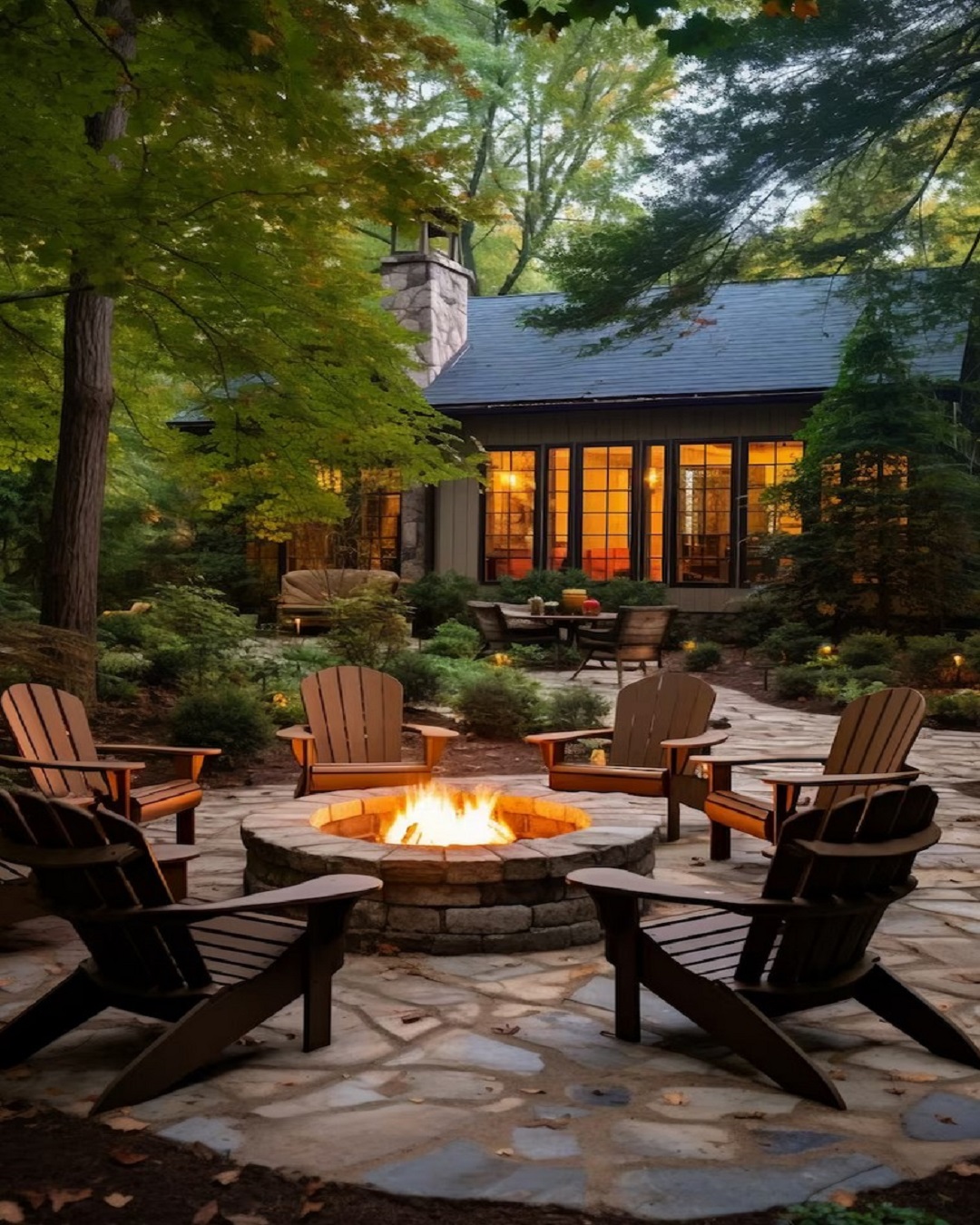
    Nothing beats the allure of a crackling fire on a cool evening. Build a fire pit in your yard using bricks, stones, or a pre-made kit. This project will not only add warmth but also create a charming focal point for gatherings with friends and family.
  3. Build a Garden Bed:
    Labor Day weekend is a perfect time to start a new garden bed or expand an existing one. Choose an area, mark out the dimensions, and dig in! Fill it with nutrient-rich soil and plant a mix of colorful flowers, aromatic herbs, or even some fall veggies.
  4. DIY Outdoor Lighting:
    Create an enchanting atmosphere by adding outdoor lighting. Hang string lights across your patio, wrap them around trees, or install solar-powered garden lights along your pathways. The soft glow will add a touch of magic to your evenings.
  5. Construct a Pergola or Arbor:
    Elevate your outdoor space with a pergola or arbor. These structures provide shade, style, and can serve as a framework for climbing plants. Imagine enjoying a book or a cup of coffee under the vines of your own creation.
  6. Outdoor Movie Night Setup:
    Turn your backyard into an open-air cinema! Hang a white sheet or use a projector screen, set up comfy seating with blankets and pillows, and get ready for a memorable movie night under the stars.
  7. DIY Garden Trellis:
    Enhance the aesthetics of your garden with a DIY trellis. Whether it’s for supporting climbing plants or simply as an artistic addition, building a trellis can be a rewarding weekend project.
  8. Lawn Games Area:
    Create a space for outdoor fun by setting up lawn games like cornhole, horseshoes, or giant Jenga. It’s a fantastic way to keep both kids and adults entertained during gatherings.
  9. Outdoor Kitchen Prep Station:
    For the culinary enthusiasts, consider building an outdoor kitchen prep station. This can be as simple as a sturdy table with shelves for holding grilling tools, spices, and more.
  10. Revitalize Your Front Entrance:
    Give your home’s curb appeal a boost by adding fresh paint to your front door, updating the house numbers, and incorporating seasonal decorations or potted plants.

Remember, the goal of these projects is not just the end result but the enjoyment of the process itself. Gather your loved ones, make a plan, and embrace the satisfaction of turning your outdoor dreams into reality. This Labor Day weekend, let your creativity shine and your outdoor space thrive!

Happy Labor Day, DIY enthusiasts!


Read More
Remodeling

Revamp Your Home’s Curb Appeal

Revamp Your Home’s Curb Appeal

Transformative Exterior Makeover Ideas

Your home’s exterior is the first thing guests and passersby notice. A well-executed exterior makeover not only boosts curb appeal but also breathes new life into your property. If you’re looking to give your home a fresh face, here are some creative ideas to consider. From modern siding choices to landscaping trends, these transformative changes will leave a lasting impression.

  1. Modern Siding Options:
    Update your home’s façade with contemporary siding materials like fiber cement, engineered wood, or metal cladding. These choices offer durability, energy efficiency, and a sleek aesthetic that elevates your curb appeal.
  2. Roof Revival:
    Consider a new roofing material or color to dramatically alter your home’s appearance. From classic asphalt shingles to energy-efficient metal roofs or even sustainable green roofs, the possibilities are endless.
  3. Vibrant Paint Palette:
    Experiment with a fresh coat of paint in vibrant or complementary colors. A bold front door or contrasting trim can inject personality into your home’s façade.
  4. Accent Lighting:
    Install strategic outdoor lighting to highlight architectural features, landscaping, and pathways. Well-placed lighting creates an inviting ambiance and adds a touch of sophistication.
  5. Landscaping Focus:
    Enhance your landscape with native plants, perennial gardens, and well-designed walkways. Low-maintenance greenery and vibrant blooms can create an inviting atmosphere.
  6. Statement Entryway:
    Upgrade your entryway with a stylish front door, porch overhang, or decorative columns. A welcoming entrance sets the tone for your home’s overall appeal.
  7. Window Makeover:
    Replace outdated windows with modern, energy-efficient models. Consider adding window boxes or shutters to create dimension and charm.
  8. Trendy Outdoor Living Spaces:
    Incorporate outdoor living elements like a pergola, patio, or deck. These spaces extend your living area and enhance the overall appeal of your home.
  9. Sustainable Design:
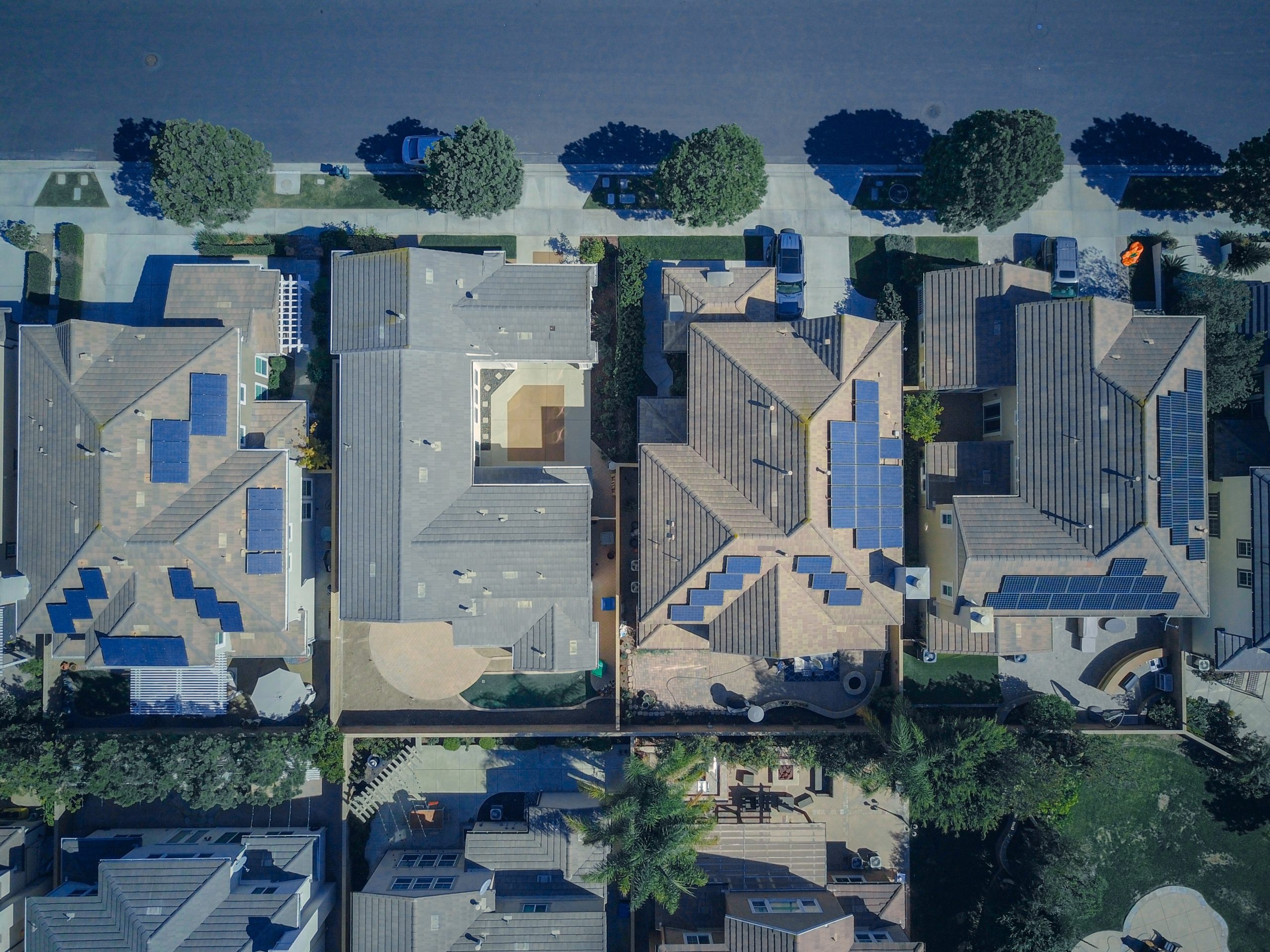
    Embrace eco-friendly choices like solar panels, rain gardens, or green walls. These sustainable features not only benefit the environment but also add a unique touch to your home’s exterior.
  10. Creative Details:
    Add character with decorative elements such as unique house numbers, custom mailboxes, or ornate door knockers.

A home exterior makeover is an opportunity to infuse your personal style and elevate your property’s visual impact. Whether you opt for a full transformation or subtle enhancements, each choice contributes to the overall charm and character of your home. So, embark on this exciting journey and watch your home’s curb appeal shine like never before.


Read More
Landscaping

Transforming Your Landscape into an Eco-Friendly Haven

Transforming Your Landscape into an Eco-Friendly Haven

As our commitment to environmental preservation grows, sustainable landscaping practices have taken center stage. Creating an eco-friendly outdoor space not only enhances the beauty of your surroundings but also contributes to the overall well-being of our planet. Let’s delve into some innovative sustainable landscaping ideas that allow you to nurture nature while enjoying a vibrant and harmonious outdoor haven.

  1. Native Plant Selection:
    Choosing native plants for your landscape is a key step towards sustainability. Native plants are well-adapted to the local climate and soil conditions, requiring less water and maintenance. They also support local wildlife, creating a balanced ecosystem in your yard.
  2. Xeriscaping:
    Xeriscaping is a water-efficient landscaping technique that focuses on minimizing water usage. By incorporating drought-resistant plants, mulching to retain moisture, and using efficient irrigation systems, you can create a lush landscape while conserving water.
  3. Rainwater Harvesting:
    Collecting rainwater allows you to harness a natural resource for irrigation. Set up rain barrels or cisterns to capture rainwater from your roof, reducing the demand on your local water supply and lowering your water bills.
  4. Permeable Pavers:
    Replace traditional paving with permeable materials like permeable pavers or gravel. These materials allow rainwater to seep into the ground instead of contributing to stormwater runoff, which can lead to erosion and pollution.
  5. Natural Pest Control:
    Encourage natural predators like birds, ladybugs, and beneficial insects to manage pests in your garden. Companion planting and using non-toxic pest control methods, such as neem oil and soap sprays, help maintain a healthy balance in your landscape.
  6. Composting:
    Start a composting system to recycle kitchen and yard waste into nutrient-rich compost. This natural fertilizer enriches your soil, reduces waste, and promotes plant health.
  7. Sustainable Hardscaping:
    Incorporate sustainable hardscape materials like reclaimed wood, recycled concrete, and locally sourced stone. These materials have a lower environmental impact and add unique character to your outdoor space.
  8. Smart Irrigation:
    Utilize smart irrigation systems that adjust watering schedules based on weather conditions and soil moisture levels. This prevents overwatering and minimizes water wastage.
  9. Wildlife Habitats:
    Designate areas in your landscape as wildlife habitats by incorporating features like birdhouses, bat boxes, and butterfly gardens. These spaces provide essential shelter and food sources for local wildlife.
  10. Edible Landscaping:
    Integrate edible plants into your landscape design, such as fruit trees, berry bushes, and herb gardens. This not only offers you fresh, homegrown produce but also reduces the ecological footprint of your food consumption.

By implementing these sustainable landscaping ideas, you’re not only creating a stunning outdoor sanctuary but also making a positive impact on the environment. Let your landscape reflect your commitment to a greener and healthier world while enjoying the benefits of a harmonious outdoor space.

Read More
Home Improvement

Top 10 Tips for Summer Home Maintenance

Top 10 Tips for Summer Home Maintenance

Keeping Your Home in Top Shape

Summer is here, and while it’s a season of relaxation and outdoor fun, it’s also the perfect time to tackle essential home maintenance tasks to ensure your property remains in top shape. From the roof to the HVAC system, here are the top 10 tips for summer home maintenance to keep your abode in excellent condition.

  1. Roof Inspection: Start by inspecting your roof for any signs of damage or wear. Check for loose or missing shingles, cracks, or areas where water might be seeping through. Addressing roof issues early can prevent leaks and costly repairs down the road. Learn More
  2. Gutter Cleaning: Clean out your gutters and downspouts to ensure proper drainage. Remove leaves, debris, and any blockages that could lead to water buildup and potential damage to your home’s foundation. Learn More
  3. Air Conditioning Check: Test your air conditioning system before the heat hits its peak. Clean or replace filters, clear debris around the outdoor unit, and consider a professional HVAC inspection to ensure efficient cooling throughout the summer. Learn More
  4. Sealing Windows and Doors: Inspect the seals around windows and doors to prevent air leaks and energy loss. Replace weatherstripping if needed to maintain a comfortable indoor temperature. Learn More
  5. Exterior Painting and Staining: Summer is an ideal time for exterior paint touch-ups or staining. Not only does this enhance your home’s appearance, but it also protects surfaces from the elements.
  6. Deck and Patio Maintenance: Clean and inspect your deck or patio for any signs of damage, rot, or loose boards. Seal or stain the wood to protect it from sun and moisture. Learn More
  7. Lawn and Garden Care: Regularly mow the lawn, trim bushes, and water your garden to maintain a vibrant outdoor space. Consider adding mulch around plants to retain moisture and deter weeds.
  8. Pest Control: Check for signs of pests and address any issues promptly. Seal cracks, fix screens, and consider professional pest control services if necessary.
  9. Pool Maintenance: If you have a pool, keep up with regular maintenance tasks such as cleaning filters, skimming debris, and maintaining proper chemical balance.
  10. Outdoor Equipment Maintenance: Inspect and clean outdoor equipment like lawnmowers, grills, and patio furniture. Proper maintenance ensures they’ll be in good condition when you need them.

By following these top 10 summer home maintenance tips, you’ll not only protect your investment but also enjoy a comfortable and well-maintained living space throughout the warmer months. Remember, preventive maintenance now can save you time, money, and stress in the long run. So, roll up your sleeves and give your home the care it deserves.


Read More
windows

Choosing the Perfect Windows

Letting East Tennessee’s Beauty In: Choosing the Perfect Windows

East Tennessee is a region known for its stunning landscapes, rich history, and diverse architecture. As you embark on your journey to create your dream home in this picturesque area, one crucial element to consider is your choice of windows. The right windows not only enhance your home’s aesthetics but also play a vital role in adapting to the climate and capturing the breathtaking views that East Tennessee has to offer.

1. Embrace the Views with Picture Windows

One of the best ways to take advantage of East Tennessee’s natural beauty is by incorporating picture windows into your home design. These expansive windows offer unobstructed views of the rolling hills, lush forests, and serene lakes that define the landscape. Picture windows also allow ample natural light to flood your interiors, creating a warm and inviting atmosphere. Imagine sipping your morning coffee while watching the sunrise over the Great Smoky Mountains – picture windows make these moments truly unforgettable.

2. Efficiency and Charm with Double-Hung Windows

East Tennessee experiences a range of weather conditions, from chilly winters to warm summers. Double-hung windows are a popular choice because of their versatility and energy efficiency. These windows can be opened from both the top and bottom, allowing for optimal ventilation and temperature control. Their classic design also complements various architectural styles found throughout the region, from historic homes to modern abodes.

3. Southern Elegance: Arched Windows

For those seeking a touch of Southern elegance, arched windows are a fantastic option. They add a timeless charm to your home’s exterior while infusing interiors with an airy and graceful ambiance. Arched windows can be particularly captivating in homes with traditional or colonial architecture, making them a perfect fit for the charming towns and neighborhoods of East Tennessee.

4. Maximizing Space with Bay and Bow Windows

If you’re looking to create a cozy nook with a view, bay and bow windows are your answer. These windows extend outward, providing extra space for seating, plants, or decor. Bay windows typically have three panels, while bow windows consist of four or more. Both options let you create a charming spot to soak in East Tennessee’s beauty while maximizing your interior space.

5. Energy Efficiency: Casement Windows

East Tennessee’s climate can vary, and casement windows are an excellent choice for maintaining comfort year-round. These windows are hinged on the side and swing outward, creating an airtight seal when closed. This design helps keep your home cool in the summer and warm in the winter while allowing for optimal airflow when opened. Casement windows also come in various styles to suit your home’s architectural aesthetic.

In conclusion, East Tennessee’s natural beauty deserves to be admired and embraced from the comfort of your home. Whether you’re captivated by scenic views, seeking energy efficiency, or aiming for architectural harmony, there’s a window style perfectly suited to your needs. As you design your East Tennessee haven, consider these window options to create a living space that truly captures the essence of this captivating region.


Read More
solar energy, solar panels, solar power

Will Solar Power Benefit You?

Will Solar Power Benefit You?

The power of the sun is a resource that’s been harnessed for centuries, and in recent times, solar energy has become a game-changer in the world of renewable energy. While solar power offers numerous benefits, it’s important to understand who benefits the most from it and who might face challenges. In this guide, we’ll explore the positives and potential limitations of solar energy adoption.

Who Benefits the Most:

  1. Homeowners with Suitable Roofs:
    Homeowners with roofs that receive ample sunlight throughout the day are prime candidates for solar energy. South-facing roofs with minimal shading are ideal for capturing the maximum amount of solar energy.
  2. Eco-Conscious Individuals:
    Those who prioritize sustainability and environmental conservation are likely to be enthusiastic about solar energy. Solar power reduces reliance on fossil fuels, decreases carbon emissions, and contributes to a greener planet.
  3. Long-Term Savers:
    While there’s an upfront investment in solar panel installation, homeowners can reap significant financial benefits in the long run. Solar panels can drastically reduce or even eliminate electricity bills, providing substantial savings over their lifespan.
  4. Remote Locations:
    Solar energy is a boon for remote areas with limited access to traditional power grids. Solar panels can provide a reliable and sustainable energy source, improving the quality of life for communities off the grid.
  5. Commercial and Industrial Sectors:
    Large-scale commercial and industrial operations can benefit from solar energy by significantly reducing operational costs. Solar installations on warehouses, factories, and office buildings can lead to considerable savings.

Who Might Face Challenges:

  1. Renters and Apartments:
    For renters or those living in apartments, installing solar panels might not be feasible due to lack of ownership or building regulations. However, some regions are exploring community solar programs to extend benefits to renters.
  2. Shaded or Non-South-Facing Roofs:
    Homes with roofs that receive limited sunlight due to shading from trees, neighboring buildings, or unfavorable orientation might not achieve optimal energy production.
  3. Initial Investment Hurdles:
    While solar panels yield long-term savings, the initial investment can be a deterrent for some. Despite incentives and financing options, the upfront cost remains a challenge for those with tight budgets.
  4. Inconsistent Weather Patterns:
    Areas with frequent cloud cover or inconsistent sunlight might experience variations in solar energy production. Such regions might rely on a combination of solar and other energy sources.
  5. Short-Term Residents:
    Individuals who don’t plan to stay in a location for an extended period might not find it cost-effective to invest in solar panel installation, as the benefits might not be fully realized within their tenure.

Solar energy has the potential to revolutionize the way we power our homes and businesses. While some groups reap immediate rewards, technological advancements and government policies are working toward making solar energy more accessible for everyone, regardless of their circumstances.

Whether you’re embracing solar power for financial savings, environmental stewardship, or energy independence, the journey towards a sun-powered future is an exciting path that holds promise for many while prompting innovation to overcome challenges.


Read More