Decks

Matching Your Home’s Style with the Perfect Deck

Decking Decisions: Matching Your Home’s Style with the Perfect Deck

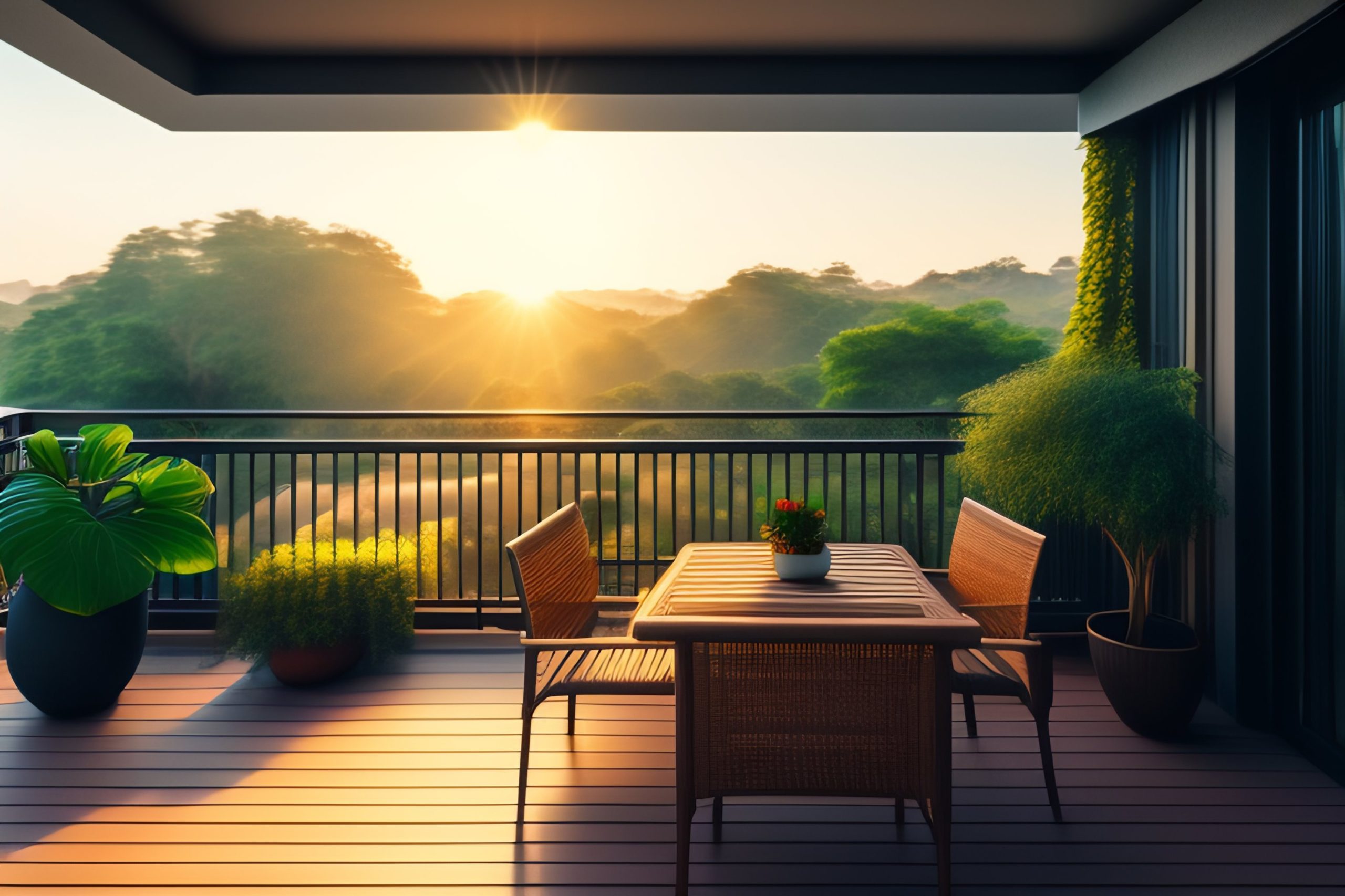
Your deck is more than just an outdoor space – it’s an extension of your home’s personality and a canvas for your outdoor lifestyle. Just like you wouldn’t wear mismatched shoes, your deck should harmonize with the style of your home. In this guide, we’ll explore how to choose a deck style that complements your home’s design, creating a seamless transition between indoor and outdoor living.

  1. Traditional Elegance: Colonial Homes
    Colonial-style homes exude timeless charm and symmetry. For a deck that resonates with this elegance, opt for a classic design that mirrors the home’s architectural elements. A simple rectangular deck with white railings and balusters complements the traditional aesthetic, creating an inviting outdoor area.
  2. Modern Flair: Contemporary Residences
    Contemporary homes boast clean lines and a sleek aesthetic. Embrace this modern vibe with a deck that features minimalist design. Consider a deck with horizontal boards, stainless steel cables, and sharp edges. Incorporate monochromatic color schemes to enhance the modern look.
  3. Rustic Retreat: Farmhouse Dwellings
    Farmhouse-style homes call for a deck that exudes rustic warmth. Choose a deck design that combines natural materials like wood with cozy elements. Consider a wraparound deck with wooden railings and built-in seating for a relaxed and welcoming vibe.
  4. Elegance of Eras Past: Victorian Houses
    Victorian homes are known for their intricate details and ornate designs. Capture the essence of this era with a deck that mirrors its beauty. Opt for scalloped or ornamental railings, decorative posts, and intricate balusters. Stain the wood in rich hues for a regal touch.
  5. Coastal Getaway: Beachfront Residences
    For homes near the coast, a deck that embraces the beachy vibe is ideal. Consider a deck with light-colored composite materials that mimic the look of driftwood or weathered wood. Incorporate nautical elements like rope railings or maritime-themed decor for a coastal retreat.
  6. Craftsman Comfort: Craftsman Homes
    Craftsman-style homes emphasize craftsmanship and warmth. Choose a deck that complements this philosophy with exposed wood beams, tapered columns, and earthy tones. Consider a covered deck or pergola to create a cozy outdoor space.
  7. Urban Oasis: City Residences
    City dwellings call for a deck that reflects urban sophistication. Opt for a deck with clean lines, modern materials like metal and glass, and sleek furniture. Incorporate lush greenery in planters to create a refreshing contrast against the urban backdrop.
  8. Nature’s Haven: Log Cabins
    Log cabins have a natural beauty that deserves a deck that blends seamlessly with the surroundings. Choose a deck with sturdy wooden beams, log railings, and a design that complements the cabin’s rustic charm. Add cozy seating and a fire pit for the perfect outdoor retreat.

Remember, your deck is an opportunity to showcase your home’s unique personality. By choosing a deck style that complements your home’s design, you’re creating a harmonious outdoor space that reflects your taste and enhances your overall living experience.

So, whether your home is steeped in history or embraces modern innovation, there’s a deck style that’s perfect for you. Let your deck become an integral part of your home’s story, inviting you to enjoy outdoor moments that perfectly match your lifestyle.


Read More
gutters

Preventing Gutter Clogs for a Smooth-Flowing Home

Preventing Gutter Clogs for a Smooth-Flowing Home

Gutters might not be the most glamorous feature of your home, but they play a vital role in protecting your property from water damage. Keeping them free from clogs is crucial for maintaining your home’s structural integrity. In this guide, we’ll dive into effective strategies to prevent gutter clogs and ensure water flows smoothly away from your home.

  1. Regular Gutter Maintenance
    Regular maintenance is the key to preventing clogs. Make it a habit to inspect and clean your gutters at least twice a year, ideally in the spring and fall. Remove leaves, twigs, and debris by hand or with a scoop. This simple step can go a long way in maintaining proper water flow.
  2. Trim Overhanging Branches
    Overhanging tree branches are notorious for dropping leaves and debris directly into your gutters. Trim branches that are close to your roof to reduce the amount of material that falls into the gutters, preventing clogs from forming.
  3. Install Gutter Guards Gutter guards, also known as gutter screens or covers, act as a barrier to keep debris out while allowing water to flow freely. There are various types available, from mesh screens to foam inserts. Choose the one that suits your needs and budget for an added layer of protection.
  4. Regular Roof Maintenance
    A well-maintained roof contributes to gutter health. Keep your roof clean and remove any debris, such as leaves, pine needles, or moss, that could make its way into the gutters during rainfall.
  5. Proper Downspout Placement
    The downspouts are responsible for channeling water away from your home’s foundation. Ensure they’re placed correctly and extend at least 3 to 4 feet away from your house. This prevents water from pooling near the foundation and reduces the risk of soil erosion.
  6. Maintain Proper Slope
    Gutters should have a slight slope towards the downspouts to encourage water flow. Over time, gutters can sag or become misaligned. Regularly inspect and adjust them to maintain the proper slope.
  7. Schedule Professional Cleaning
    If you’re not comfortable cleaning your gutters or your home is surrounded by trees that shed a lot of debris, consider hiring professionals. They have the expertise and equipment to thoroughly clean and maintain your gutters, ensuring they’re free from clogs.
  8. Monitor the Weather
    During heavy rainfall or storms, check your gutters for any overflow or areas where water isn’t draining properly. Address these issues promptly to prevent potential water damage.

Remember, preventing gutter clogs isn’t just about maintaining the functionality of your gutters – it’s about safeguarding your home. By implementing these preventative measures, you’re taking a proactive step toward preserving your property’s value and preventing costly repairs down the line.

So, whether you’re up on a ladder or exploring gutter guard options, your efforts will pay off in the form of clean, clear, and smoothly flowing gutters that protect your home for years to come.


Read More
A/C, Cooling, HVAC

Unveiling the HVAC Installation Process

Unveiling the HVAC Installation Process: What You Need to Know

When it comes to creating a comfortable and cozy indoor environment, a properly installed HVAC (Heating, Ventilation, and Air Conditioning) system is your best friend. But what exactly happens during the HVAC installation process, and what can you expect? In this guide, we’ll walk you through the steps and give you a peek behind the scenes.

    1. Pre-Installation Assessment
      Before the installation crew arrives, a pre-installation assessment is conducted. This involves evaluating your home’s size, layout, insulation, and your heating and cooling needs. This information helps determine the right size and type of HVAC system for your specific requirements.
    2. Designing the System
      Based on the assessment, the HVAC technician designs the system layout, including the placement of vents, ductwork, and the central unit. This design ensures efficient airflow, even temperature distribution, and optimal energy usage throughout your home.
    3. Gathering Equipment and Materials
      Once the design is finalized, the installation team gathers all the necessary equipment and materials. This includes the HVAC unit, ducts, vents, thermostats, and any other components needed for the installation.

      Installation Day

      On installation day, the crew arrives with the equipment and begins the installation process.

      Here’s what you can expect:

      • Site Preparation: The technicians ensure the work area is clean and ready for installation. They might cover floors and furniture to prevent any potential mess.
      • Removing Old Equipment: If you’re replacing an existing HVAC system, the old equipment is safely removed and disposed of.
      • Installing the Central Unit: The central unit, which includes the furnace and air conditioner, is placed in its designated location. This is often in the basement, attic, or a utility room.
      • Ductwork Installation: Ducts are installed to carry heated or cooled air throughout your home. The ducts are strategically placed to deliver optimal airflow to each room.
      • Vent Installation: Vents are positioned in various rooms to allow air to flow in and out. The placement ensures even distribution of temperature and comfort.
      • Wiring and Thermostat: The wiring and thermostat are connected to the HVAC system. Modern thermostats can be programmed for energy-efficient temperature control.
    4. Testing and Calibration
      Once the installation is complete, the HVAC system is thoroughly tested to ensure it’s working correctly. Technicians check for proper airflow, temperature consistency, and overall system functionality. Any adjustments or calibrations are made to guarantee optimal performance.
    5. Customer Walk-Through
      Before the crew wraps up, they provide you with a walk-through of the system’s operation. They explain how to use your new thermostat, adjust settings, and answer any questions you might have about maintenance and care.
    6. Enjoy Your Comfortable Space
      With your new HVAC system in place, it’s time to enjoy the benefits of a well-regulated indoor environment. Your home will be comfortable, no matter the season, and your energy bills might even see a positive change.

    Remember, a professionally installed HVAC system plays a vital role in your home’s comfort and energy efficiency. So, if you’re considering an HVAC upgrade or installation, now you know what to expect during the process. Keep your home cozy and your worries at bay!

Read More
siding

Siding Styles that Speak to Your Home’s Personality

Siding Styles that Speak to Your Home’s Personality

When it comes to your home’s exterior, siding is more than just protection – it’s an opportunity to showcase your home’s unique personality and style. With an array of siding options available, how do you choose the perfect one that complements your home’s architecture and expresses its character? In this guide, we’ll walk you through different siding styles that harmonize beautifully with various home designs.

1. Traditional Elegance: Colonial Homes

If you’re lucky enough to own a Colonial-style home, embrace its timeless elegance with clapboard or Dutch lap siding. These horizontal siding styles feature overlapping boards that create a classic look reminiscent of historic homes. Opt for colors like whites, creams, or earthy tones for an authentic touch.

2. Modern Chic: Contemporary Residences

For sleek and modern homes, vertical siding can make a bold statement. Whether it’s vertical wood planks or metal panels, this style adds a touch of contemporary flair. Play with contrasting colors and textures to create an eye-catching facade that complements your home’s clean lines.

3. Rustic Warmth: Farmhouse Dwellings

Farmhouse-style homes exude cozy charm, and board and batten siding captures that rustic warmth perfectly. This style features alternating wide vertical boards and narrow strips (the “battens”), creating a look that’s both traditional and inviting. Earthy tones like grays, greens, or browns enhance the farmhouse aesthetic.

4. Timeless Beauty: Victorian Houses

Victorian homes are known for their intricate details and ornamentation. Scalloped or fish-scale shingles, combined with decorative trim, reflect the intricate architecture of this era. Choose siding materials that allow for embellishments and bold color combinations to capture the essence of Victorian elegance.

5. Coastal Retreat: Beachfront Residences

For homes near the coast, consider cedar shakes or shingle siding. The texture and color variations of these materials evoke the beauty of weathered beachfront homes. Soft blues, grays, and whites mimic the hues of the ocean and sky, creating a serene and coastal-inspired look.

6. Simplicity and Functionality: Craftsman Homes

Craftsman-style homes emphasize craftsmanship and simplicity. Horizontal wood lap siding or shingles with exposed rafter tails complement this design philosophy. Earth tones and natural finishes align with the natural materials and earthy color palettes that characterize Craftsman homes.

7. Urban Sophistication: Modern City Residences

City dwellings call for a contemporary yet urban-friendly siding choice. Stucco siding, often associated with Mediterranean architecture, can be a sleek option. Combine it with dark trim for a sophisticated look that stands out in the urban landscape.

Remember, your choice of siding should not only reflect your home’s architectural style but also your personal taste and the surrounding environment. By selecting a siding style that resonates with your home’s identity, you’re creating an exterior that tells a story and captivates the eye.

So, which siding style aligns with your home’s personality? Share your thoughts in the comments below and let’s celebrate the art of siding that brings your home to life!


Read More
Fences, Fencing

Fencing Your Home

Fencing Your Home: A Guide to Finding the Perfect Match

When it comes to enhancing your home’s curb appeal, security, and privacy, a well-chosen fence can make all the difference. But with the array of fencing styles available, how do you know which one is the right fit for your home’s unique aesthetic? In this guide, we’ll explore different fence options and pair them with the perfect style of house.

1. Classic Charm: Picket Fence

If your home exudes classic charm, such as a Cape Cod or Colonial-style house, a picket fence is the perfect match. This iconic fence style adds a touch of elegance and nostalgia to your exterior while providing a subtle boundary. Opt for white paint to maintain that timeless look.

2. Modern Elegance: Horizontal Slat Fence

For a modern or contemporary home, a horizontal slat fence offers clean lines and a sleek design. This style complements minimalist aesthetics, emphasizing simplicity and open spaces. Choose materials like wood or metal for a contemporary twist on classic fencing.

3. Rustic Retreat: Split Rail Fence

If your home has a rustic or cottage-inspired design, a split rail fence adds to the cozy charm. This type of fence uses natural materials and works well with homes nestled in nature or surrounded by gardens. It’s an ideal choice for embracing a casual and welcoming atmosphere.

4. Stately Appeal: Iron Fence

Homes with a regal and stately presence, such as Victorian or Georgian styles, deserve an equally elegant fence. An iron fence with intricate designs can mirror the ornate architecture and lend a touch of sophistication to the property. It’s a combination that exudes timeless grandeur.

5. Coastal Vibes: Vinyl Privacy Fence

For coastal or beach-inspired homes, a vinyl privacy fence offers both privacy and a breezy aesthetic. This style works well with homes characterized by light and airy color palettes. It creates a serene backdrop while shielding your outdoor space from prying eyes.

6. Contemporary Cool: Glass Fence

If you have a modern home with a stunning view, a glass fence is a stylish choice. This option allows you to enjoy unobstructed views while maintaining a clean and contemporary look. It’s an excellent complement to homes that emphasize indoor-outdoor living.

7. Country Comfort: Farm-Style Fence

Homes with a country or farmhouse vibe benefit from a farm-style fence. This fence type is characterized by horizontal boards and a relaxed appearance, perfect for creating a welcoming atmosphere. It pairs beautifully with homes that emphasize a laid-back and comfortable lifestyle.

Remember, your fence not only complements your home’s architectural style but also sets the tone for your property’s overall aesthetic. By choosing a fence that harmonizes with your home’s design, you’re creating a cohesive and visually appealing exterior that’s sure to make a lasting impression.

So, which fence style resonates with your home’s personality? Share your thoughts in the comments below and let’s celebrate the art of fencing your abode with style!


Read More
water damage, water restoration

Defending Against the Perils of Water Damage

Defending Against the Perils of Water Damage

Safeguarding Your Sanctuary

Water, the elixir of life, can also be a house’s silent adversary. From sneaky leaks to full-blown floods, water damage can wreak havoc on your cherished abode if left unchecked. But fear not! In this guide, we’ll explore the various ways water can damage your home and arm you with preventive measures to keep your sanctuary safe and sound.

1. The Drip Dilemma: Roof and Gutter Woes

Roof leaks are a common culprit of water damage. Cracked shingles, loose flashing, or clogged gutters can allow water to seep into your home, causing damage to ceilings, walls, and even your foundation. Regular roof inspections and gutter maintenance are your first line of defense.

2. Foundation Floes: Poor Drainage and Soil Saturation

Improper drainage can lead to pooling water around your home’s foundation, putting pressure on your walls and causing cracks. Soil saturation can further weaken your foundation’s stability. Ensure your property slopes away from the house and invest in proper drainage solutions like downspout extensions and French drains.

3. Basement Blues: Leaks and Seepage

Basements are notorious water magnets. Leaking cracks, inadequate waterproofing, and poor grading can lead to damp, musty spaces. Regularly inspect your basement for signs of water intrusion and invest in professional basement waterproofing systems to keep your underground haven dry and cozy.

4. Bathroom Battles: Plumbing Problems

Bathrooms are water-heavy areas prone to leaks from faucets, pipes, and overflowing toilets. Regularly inspect your bathroom’s plumbing, ensure proper sealing around fixtures, and fix any leaks promptly to prevent water damage from soaking into your floors, walls, and subfloor.

5. Appliance Adventures: Washer and Dishwasher Mishaps

Washing machines and dishwashers might make life easier, but they can also unleash a watery nightmare. Check hoses and connections for leaks, replace them if needed, and keep an eye out for any water pooling around these appliances.

6. Attic Ailments: Poor Ventilation and Roof Leaks

An attic might seem far from the water’s reach, but poor ventilation can lead to condensation buildup, creating an environment ripe for mold growth and decay. Proper attic ventilation and insulation can prevent moisture accumulation and prolong the life of your roof.

7. Window Woes: Improper Sealing and Condensation

Windows, while allowing us to enjoy sunlight and views, can also be vulnerable points for water entry. Poorly sealed windows can let rainwater seep in, causing damage to walls and sills. Regularly inspect your windows, replace weatherstripping, and ensure proper sealing to keep water at bay.

Conclusion: Fortifying Your Home Against Water’s Mischief

Water damage might be a common threat, but with vigilance and proactive measures, you can protect your home from its potentially devastating effects. Regular inspections, prompt repairs, proper maintenance, and investing in professional solutions when necessary will ensure that your sanctuary remains a haven of comfort and safety for years to come.

So, dear homeowners, remember: by staying a step ahead of water’s cunning tricks, you’re ensuring that your castle remains impenetrable and your peace of mind intact. Stay vigilant, and let your fortress stand strong against water’s relentless advances!

Read More
roofers, Roofing

Finding the Perfect Roof Style

Finding the Perfect Roof Style to Match Your Home’s Charm

When it comes to your home’s exterior, few elements have as much impact as the roof. Not only does it protect your abode from the elements, but it also plays a significant role in defining your home’s overall aesthetic. Choosing the right roof style that harmonizes with your house’s design is essential, and that’s where GHI Exteriors comes in – your ultimate partner in roofing transformations.

1. Traditional Elegance: A Match Made in Roof Heaven

If your home boasts classic architectural features like gables, dormers, and a timeless façade, a traditional roof style will be the perfect complement. Opt for asphalt shingles or cedar shakes in neutral tones to exude a sense of refined elegance. GHI Exteriors’ extensive range of shingle options ensures you’ll find the perfect match for your home’s character.

2. Modern Marvels: Contemporary Roofs for Cutting-Edge Homes

For those embracing clean lines and modern design, a flat or low-sloped roof is your ticket to architectural greatness. Reflect your home’s sleekness with materials like metal, concrete, or even green roofing for a sustainable touch. GHI Exteriors’ expertise in modern roofing materials guarantees a stunning, up-to-the-minute look that’s bound to turn heads.

3. Cottage Charms: Roofing for Quaint Dwellings

If your home oozes cottage vibes, consider a roof style that’s equally charming. A roof with gentle slopes and a hint of playfulness will enhance the cozy aura. Think about cedar shingles or even a thatched roof for a whimsical touch. GHI Exteriors’ selection of roofing options caters to a variety of quaint aesthetics, making your cottage dreams a reality.

4. Mediterranean Flair: Roofs for Warmth and Romance

Mediterranean-style homes radiate warmth and romance with their stucco exteriors and rustic ambiance. A terra cotta tile roof is the perfect match, evoking a sense of old-world charm. GHI Exteriors’ expertise extends to tile roofing, ensuring your home exudes the enchantment of a Mediterranean villa.

5. Colonial Grandeur: Roofing That Honors Tradition

Colonial homes often feature steep-pitched roofs and symmetrical designs. Embrace this history with slate or architectural shingles that echo the traditional aesthetics. GHI Exteriors understands the importance of maintaining the historical charm of your colonial home while providing durable and authentic roofing solutions.

Why GHI Exteriors? Your Roofing Dream Team

Choosing the right roof style for your home is only half the journey. Partnering with the right roofing company is equally crucial. GHI Exteriors brings a wealth of experience, a reputation for excellence, and a commitment to turning your vision into a reality. Their team of experts will guide you through the process, from choosing the perfect style to seamless installation.

Don’t let your home’s roof be an afterthought. Elevate your curb appeal with a roof that perfectly complements your home’s unique style. Trust GHI Exteriors to deliver top-notch craftsmanship and unmatched expertise, ensuring your roof is not just functional, but a work of art that elevates your home’s charm to new heights. Contact GHI Exteriors today to embark on your roofing journey!


Read More
windows

Choosing the Perfect Windows

Choosing the Perfect Windows

Matching Window Styles with Your Home’s Personality

Windows are not just functional openings; they’re a reflection of your home’s personality and style. When it comes to selecting windows, it’s important to consider both aesthetics and functionality. Different architectural styles demand different window types to create a harmonious look. Here’s a guide to help you match the right window style with your home’s character, and why GHI Exteriors is the best choice for window installation.

1. Colonial Homes: Double-Hung Windows

Colonial homes exude timeless elegance. Double-hung windows with divided light panes complement their symmetrical facade. These windows offer a classic look while providing practical ventilation and easy maintenance. GHI Exteriors understands the intricacies of colonial architecture and ensures a seamless installation.

2. Modern Homes: Picture Windows

Modern homes emphasize clean lines and a minimalist aesthetic. Picture windows, with their expansive glass panels, allow abundant natural light and unobstructed views. GHI Exteriors’ expertise in modern design ensures that your picture windows enhance your home’s contemporary vibe.

3. Craftsman Homes: Casement Windows

Craftsman-style homes boast intricate detailing and a focus on craftsmanship. Casement windows, hinged at the side and opening out, align perfectly with this style’s emphasis on natural materials and functionality. GHI Exteriors’ casement windows offer both authenticity and energy efficiency.

4. Victorian Homes: Bay or Bow Windows

Victorian homes are known for their ornate details and architectural variety. Bay or bow windows create a sense of grandeur while enhancing interior space. GHI Exteriors’ expertise in complex window installations ensures that your Victorian home retains its historical charm.

5. Farmhouse Homes: Sliding Windows

Farmhouse homes evoke a cozy, rustic feel. Sliding windows, with their simple design and smooth operation, match the practicality and simplicity of farmhouse living. GHI Exteriors’ sliding windows blend seamlessly with farmhouse aesthetics.

6. Mediterranean Homes: Arched Windows

Mediterranean homes exude warmth and elegance. Arched windows with curved tops mirror the style’s architectural elements. GHI Exteriors’ arched windows are crafted to enhance your home’s Mediterranean flair while offering energy efficiency.


Why Choose GHI Exteriors for Window Installation?

GHI Exteriors’ commitment to excellence extends to every aspect of your window installation. Our seasoned experts understand the nuances of architectural styles and window design.

Here’s why we’re the best choice:

  • Personalized Solutions: We tailor window installations to match your home’s architecture, ensuring a harmonious look.
  • Top-Quality Materials: Our windows are crafted from premium materials that guarantee durability, energy efficiency, and aesthetic appeal.
  • Expert Installation: Our skilled professionals bring years of experience to every project, ensuring flawless installation that maximizes the benefits of your chosen window style.
  • Attention to Detail: We understand that windows are more than fixtures – they’re part of your home’s identity. Our attention to detail ensures that every window enhances your home’s beauty.


Transform Your Home with GHI Exteriors’ Window Installation

Whether your home embodies timeless elegance or contemporary chic, GHI Exteriors has the expertise to match the perfect window style with your home’s personality. Our commitment to quality, craftsmanship, and personalized service makes us the ideal choice for your window installation needs.

Contact GHI Exteriors today to embark on a journey of transforming your home’s aesthetic through expertly chosen and installed windows.


Read More
off-grid, solar energy, solar panels, solar power

A Guide to Off-Grid Living

Harnessing Solar Power: A Guide to Off-Grid Living

Living off the grid has a certain allure – the freedom, sustainability, and connection to nature. Solar power, a renewable energy source, is a key player in making this lifestyle a reality. However, navigating the path to off-grid solar living involves more than just installing panels. Let’s delve into how to effectively use solar power to live off the grid, while also addressing potential legal considerations.

Harnessing Solar Power for Off-Grid Living:

  1. Calculating Your Energy Needs: Before you dive into solar, understand how much energy your lifestyle demands. Assess your electricity usage to determine the appropriate solar panel capacity and battery storage.
  2. Selecting Solar Equipment: Choose high-quality solar panels, inverters, and batteries that suit your energy needs. Consider factors like efficiency, durability, and maintenance.
  3. Battery Storage: Efficient energy storage is essential for cloudy days and nighttime. Invest in deep-cycle batteries to store excess energy generated by your solar panels.
  4. Efficient Energy Use: Adopt energy-efficient appliances and practices to maximize the use of your solar-generated energy. LED lighting, energy-efficient appliances, and proper insulation can significantly reduce energy consumption.
  5. Backup Generator: Depending solely on solar power might not be feasible in certain situations. A backup generator, fueled by propane or diesel, can provide a safety net during prolonged periods of low sunlight.

Navigating Legal and Regulatory Aspects:

While the idea of going entirely off the grid is enticing, some areas have laws and regulations that can affect your plans:

  1. Building Codes: Some regions have building codes that require connections to utility services. These codes aim to ensure safety and public health standards, but they can limit complete off-grid living.
  2. Permits: Installing solar systems and alternative wastewater systems might require permits. Check local regulations to ensure compliance.
  3. Zoning Regulations: Zoning laws can impact your ability to live off-grid, especially in densely populated areas. These regulations might restrict the size of solar panels, wind turbines, or even the use of composting toilets.
  4. Utility Connections: Certain areas require properties to be connected to utilities, even if you generate your own power. This can limit the extent of your off-grid living.
  5. Health and Safety Regulations: Some regulations are in place to safeguard your health and safety, such as waste disposal regulations. These might restrict certain practices common in off-grid living.

The Balance between Freedom and Regulation:

Achieving a completely off-grid lifestyle might not be feasible in all regions due to legal considerations. However, innovative solutions like hybrid systems (combining solar with wind or micro-hydro power) or seeking properties in less regulated areas can provide a middle ground.

At GHI Exteriors, we understand the complexities of off-grid living and solar power. Our experts can guide you through the technicalities, helping you navigate both the technical and regulatory aspects to make your off-grid dreams a reality.

Ready to embark on your off-grid journey? Contact us today to explore your solar-powered options.


Read More
Decks

Choosing the Perfect Deck Shape and Style

Elevate Your Home’s Aesthetic: Choosing the Perfect Deck Shape and Style

A deck is more than just an outdoor space; it’s an extension of your home’s personality and a canvas for relaxation and entertainment. When considering a deck, the shape and style you choose can significantly enhance the overall look of your house. Let’s explore how to select the perfect deck design that complements and elevates your home’s aesthetic.

1. Match the Architectural Style:

Contemporary Homes: For modern homes with sleek lines, consider a deck with clean, angular shapes. Opt for materials like metal or composite to enhance the contemporary vibe.

Traditional Homes: A classic deck with square or rectangular shapes harmonizes well with traditional homes. Wooden decks often create a warm, inviting atmosphere that complements the timeless appeal.

2. Consider the Landscape:

Sloping Terrain: If your property has varying elevations, a multi-level deck can gracefully follow the contours of the land, creating a dynamic and visually appealing space.

Expansive Views: If your home boasts breathtaking views, a cantilevered deck that extends outward can provide unobstructed vistas and create a stunning focal point.

3. Embrace Curves:

A curved deck softens the lines of your home and adds an organic, welcoming touch. This style works well with homes that have rounded architectural elements or lush landscapes.

4. Blend with Nature:

Wooded Surroundings: Opt for a deck design that seamlessly blends with the natural surroundings. A rustic-style deck with earthy tones and wooden textures can create a harmonious connection to nature.

Coastal Homes: If your home is near the water, consider a deck design that complements the coastal theme. Nautical colors, light materials, and open railings can capture the essence of seaside living.

5. Extend Your Living Space:

If you love outdoor gatherings and entertaining, a deck with multiple seating areas, a dining space, and perhaps a built-in barbecue or fire pit can transform your home into a true haven for relaxation and enjoyment.

Why Trust GHI Exteriors with Your Deck Design?

At GHI Exteriors, we understand that a deck is more than just a structure; it’s an expression of your lifestyle. Our skilled designers and craftsmen collaborate with you to create a deck that not only complements your home’s style but also fulfills your unique needs.

With years of expertise, we’ve honed our skills in translating visions into reality. Trust us to design and build a deck that enhances the look of your house while providing a space for cherished memories.

Ready to elevate your home’s aesthetic with a stunning deck? Contact us today to embark on a journey of creativity, style, and outdoor bliss.


Read More